Methodology
How we compare Murphy beds and wall beds.
The method is built around the two things that cause returns: buying a bed that does not fit the wall, and buying a bed that does not project into the room the way the buyer expected. We research listings, we do not physically test the beds.
Where this method lands
See the Murphy bed picks this method produced →
Thirteen models run through the checks below and grouped by how the room is used — cabinet beds, desk wall beds, sofa wall beds, and twin or full builds for tight rooms.
Research type
Listing research
We read the live Amazon listing for each model — size, orientation, cabinet or wall-mount, mattress included, dimensions, weight, and included hardware — and compare them side by side.
Current note
Listings change
Specs were read from live Amazon listings on 2026-07-02. Prices, stock, titles, and images change constantly — confirm every detail on the live listing before you buy.
Not tested
We did not sleep on them
We do not claim hands-on testing. We have not assembled these beds, mounted them, or slept on their mattresses. Every comparison is based on what the listing states.
Dynamic data
No hard-coded prices or stars
Prices, star ratings, and review counts are not written into the pages. Those live on the Amazon product page, where they can update in real time.

Size & orientation
Twin, full, queen — vertical or horizontal
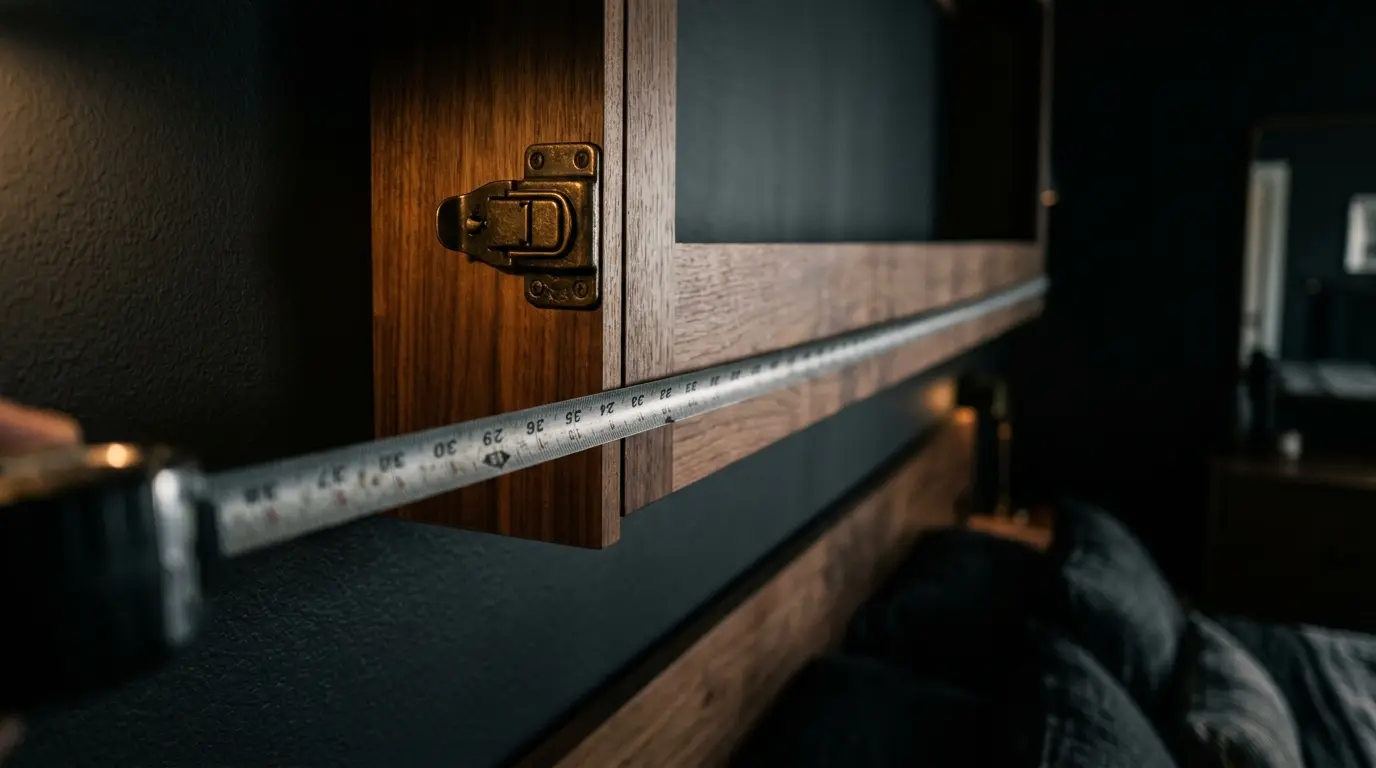
We separate models by mattress size and by fold direction. A vertical queen wants tall ceilings; a horizontal queen wants side wall space instead.
Cabinet vs wall-mount
Anchored or freestanding
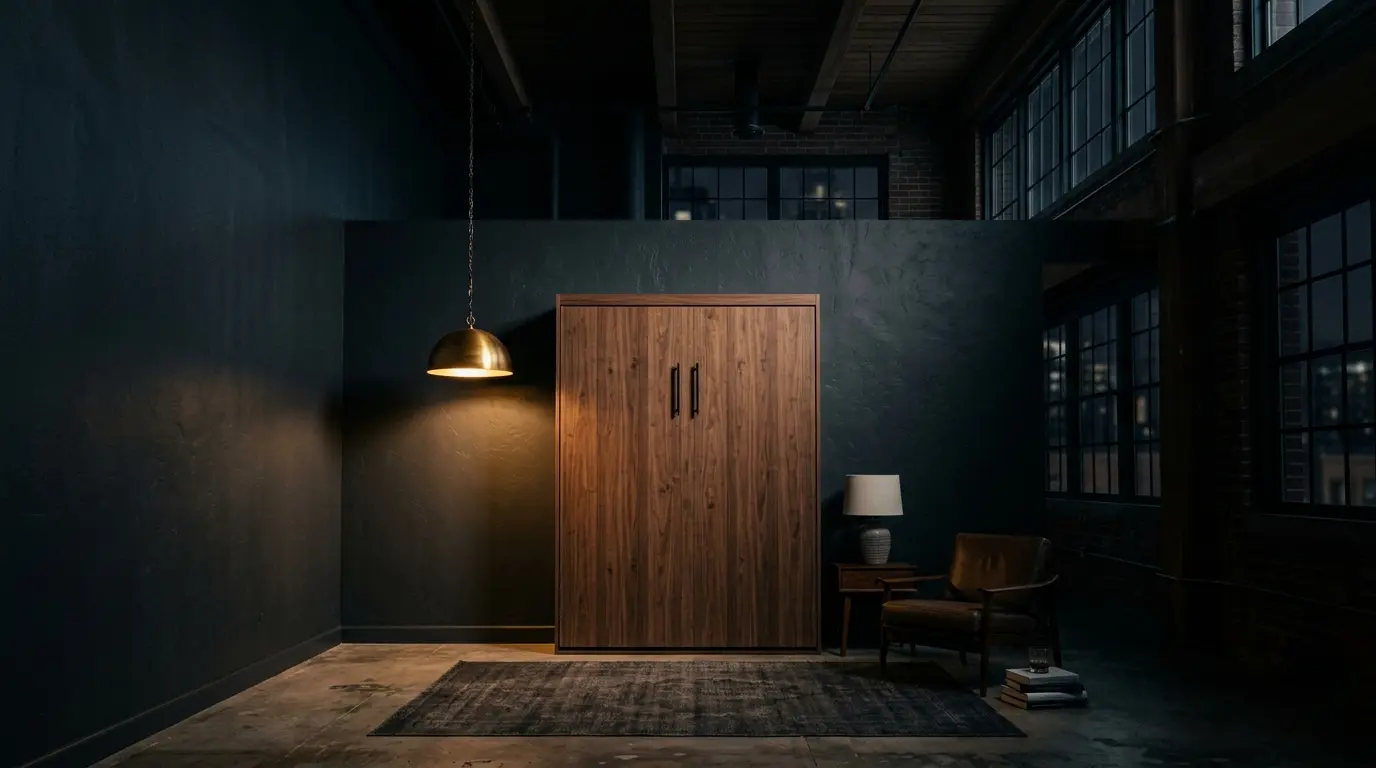
Cabinet beds stand on the floor as a low chest and need no wall bolts. Wall-mount Murphy beds anchor to studs or masonry and free the floor completely.
Mattress included / thickness limit
Read the fine print
Cabinet beds typically ship with a tri-fold mattress. Vertical wall beds usually do not — and they set a maximum mattress thickness (often 10–12 inches) so the bed still folds and latches.
Storage, drawers & combos
Desk, sofa, drawers, shelves
We flag drawer count, integrated desks, sofa combos, and shelving. These features change how the bed lives during the day, not just at night.
Footprint math
Folded depth vs open projection
The number that surprises buyers is how far the bed reaches into the room when it is down. We compare folded depth against the open projection and add a walkway before recommending a small-room fit.
Wall anchoring
Studs, masonry, or skip it
Wall-mount models must attach to a solid wall. If your wall type will not take the anchoring the manufacturer specifies, we point you to a cabinet bed instead.
What earns a recommendation
A model earns a spot when the listing clearly states its size, orientation, mattress rules, and mounting requirements, and when the fit story lines up with a real room — a home office, a guest room, a studio, or a kids' room. Every button links to the exact product page we mean.
What we do not do
We do not invent lab tests, comfort scores, star ratings, review counts, or prices. We do not publish Product structured data with offers we cannot keep current. And we do not claim to have physically tested or slept on the beds we compare.
How we compare: common questions
How does Murphy Bed Lab compare Murphy beds without testing them?
We read the live manufacturer listing for every model and pull the same fields for each one: size, orientation, cabinet or wall-mount, whether a mattress is included, folded depth, open projection, ceiling requirement, mattress thickness limit, storage, and anchoring hardware. Comparing identical fields across models is what makes a side-by-side honest.
Which measurement causes the most Murphy bed returns?
Open projection — how far the bed sticks into the room once it is folded down. Buyers measure the wall and the ceiling, both of which the listing states plainly, then discover the open bed eats eighty inches of floor plus a walkway. We surface folded depth and open projection as two separate numbers on every guide for exactly that reason.
Do commissions influence which Murphy beds get recommended?
No. Every product link on the site is an Amazon Associates link, and the commission rate across this category is close enough between models that it cannot move a ranking. Manufacturers cannot buy placement, a higher spot, or a softer write-up. If a bed is a poor fit for a situation, the guide says so.
How often are the specifications rechecked?
Each guide carries the date its specs were read from the live listing. Amazon listings change dimensions, mattress limits, photos, and sometimes the underlying product without notice, so a spec here is a snapshot, not a guarantee. Confirm the numbers on the live listing before you buy, and email a correction if one has drifted.